Don't Stand Still This Easter

A few years ago, a woman was on her way to Church for Easter when her car broke down. Not wanting to be late for Mass, she promptly ordered an Uber. About halfway through her ride, she asked the driver a question. When he didn’t respond, she tapped him on the shoulder. She startled him so badly that he slammed on the brakes, pulled over to the side of the road, leaving skid marks on the road. “What just happened?” she asked. He replied, “Sorry about that, but you see, this is my first day driving for Uber. Before this, I spent twenty-five years driving a hearse.”
We don’t expect people to come back from the dead. But on Easter morning, that is exactly what happened. When the first disciples realized it, they didn’t stand still. They ran.
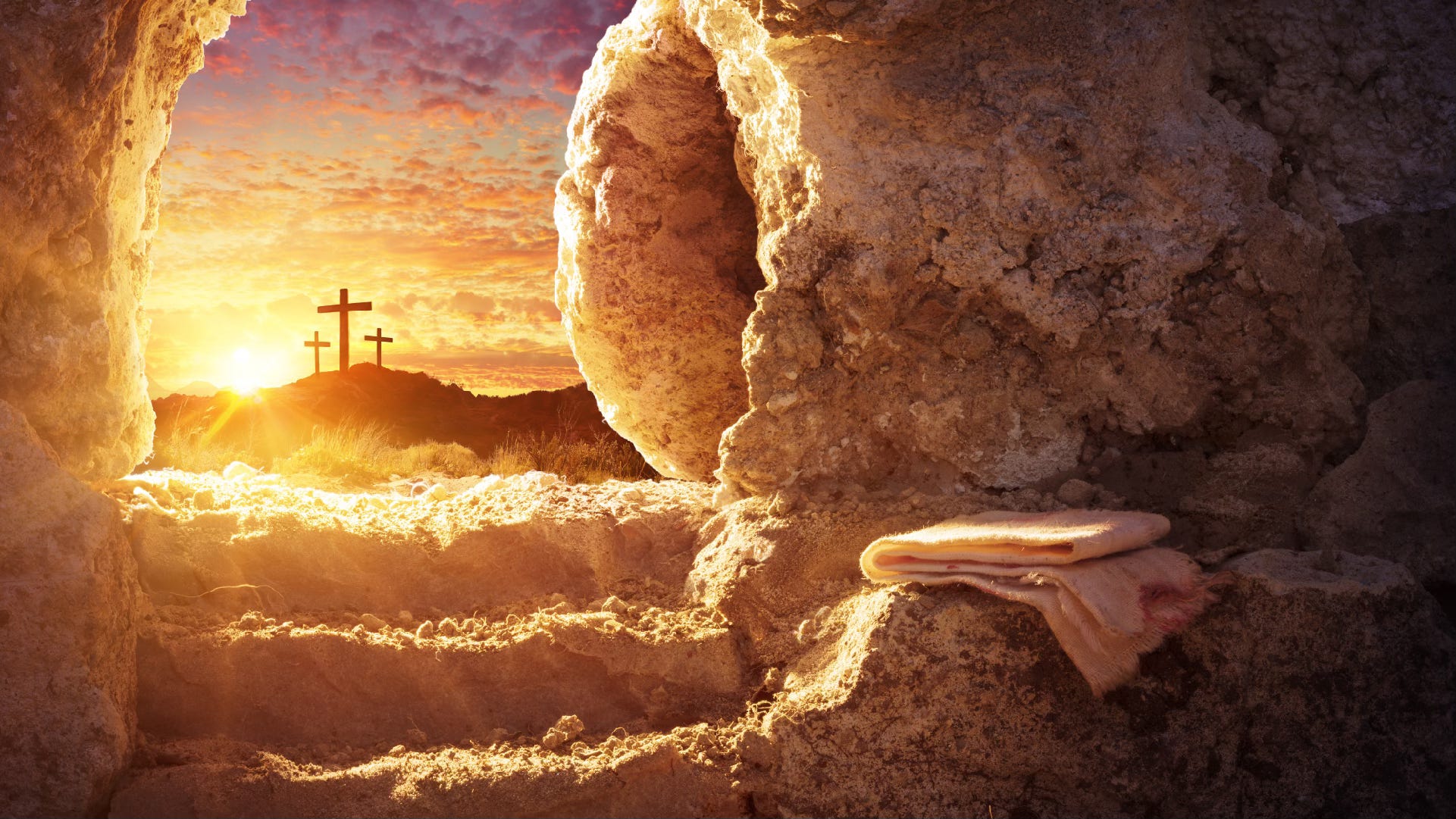
Sometimes, you just have to run.
The primary emotion I pick up on in the Easter liturgy is excitement. I think we could do with a lot more excitement in our Christian living. There are so many reasons to rejoice, yet we often live out our faith in a somber way, instead of rejoicing in the Good News that Jesus rose from the dead.
Mary Magdalene was excited. The sequence Victimae Paschali Laudes recalls each year the longing with which she sought Jesus. Although she expected to find the cadaver of Jesus, she would eventually be overjoyed to encounter the Risen Lord. Mary Magdalen is the first to go to the tomb, and the first to run with the news. Love moves her. She rushes to tell the disciples, even though she would shortly have her personal encounter with Jesus.
Just days before, they were hiding in fear, crushed by disappointment. Everything seemed finished. But when they hear the tomb is empty, everything changes. They run. When Mary bursts in to tell them that the tomb is empty, Peter and John don’t wait. They rush out the door, and the Gospel author (presumably John) even records the information that John was faster. But what is even more important is that they “saw and believed” (cf. Jn. 20:8).
Mary is running, Peter and John are running. Sometimes, to be Christian, you just have to run. We need to run away from sin and run to Jesus.
Running from sin sometimes means something very practical. If what we scroll, watch, and consume pulls us away from God, we don’t linger; we move. Even something as simple as retraining our feeds can be a way of choosing what leads us to life.
Even more than running away from sin, we want to make sure that we are running to Jesus. Mary Magdalene did this first by going to care for the deceased body of Jesus. Upon finding him missing, she ran to the disciples, still motivated by her great love for Christ. Peter and John ran. Yes, John was faster, but they were both moved by their great love for Jesus.
We can run to Jesus by living more completely for him. A lot of us think about our Lenten programs. We make time for prayer, fasting, and almsgiving. We don’t normally reflect much, however, on how to live Easter. We can take a page from the Church’s playbook and read through the Acts of the Apostles during Easter. These stories show the enthusiasm of the primitive Church. These were men and women who ran to Jesus in every aspect of their lives. So during these fifty days of Easter, don’t stand still. Run from what leads you away from Christ. Run toward Him with everything you have.
Amen!